
By Rabbi Alberto Sermoneta
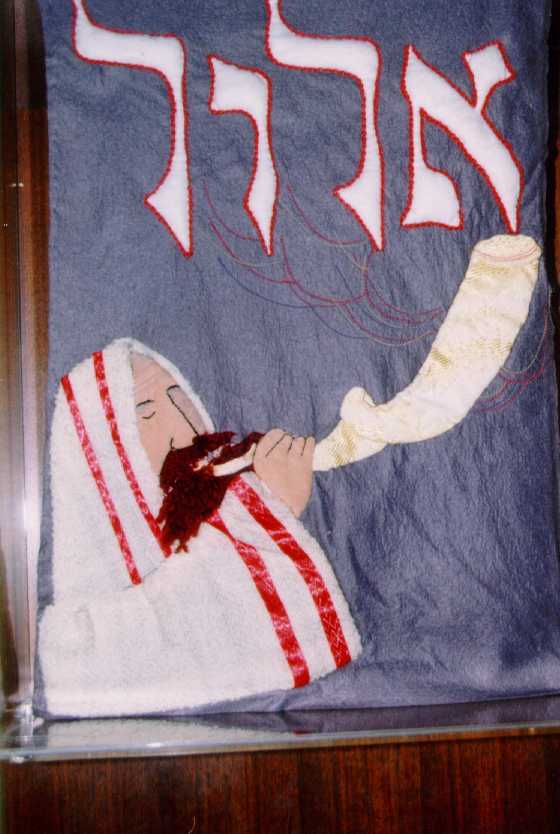
This evening, God willing, Rosh Chodesh Elul begins. In reality, it is the thirtieth day of Av (Thursday: because when the preceding month lasts thirty days, the beginning of the following month lasts two days) and the first day of Elul (Friday).
It is the last month of the Jewish year, the one that precedes Rosh Hashanah; therefore, it is undoubtedly a month unlike the others. Just like in a business, we prepare the end-of-year balance sheet, in order to then be able to start afresh, and so we behave when another year of our life is about to conclude, to begin a new one.
The moral balance sheet is much more important than the economic one, because besides our material interests, we must examine our behaviour, not so much towards the Eternal One, as towards our fellow human beings; this is what is closest to the heart of the Lord our G-d.
In the parashah that we read last Shabbat - parashat Re'eh - much is commanded of us to help those who are most in need; above all regarding the "poor".
Tzedakah - a foundational element in the behaviour of a Jew - is at the basis of a series of moral rules that cannot be neglected, least of all in the month that is beginning. At the beginning of the parashah that we will read this Shabbat: Shoftim, Moses admonishes the people saying: "zedek zedek tirdof - justice, justice shall you pursue". Commentators seek to explain the repetition of the word "zedek"; there are very many interpretations and yet all are based on the fact of helping to address situations that may arise towards a weaker social class, with impartiality and forbearance. One must therefore help those who suffer and also take into account justice towards the powerful. In Judaism, unlike other religious cultures, a society founded on different social scales does not apply, but all Jews are equal, with the same rights and the same duties before G-d. There must not be those who give and those who receive, but we all have the duty to give, according to our means. Tzedakah - which in the behaviour to be followed, especially in the month of Elul, is a source of mandatory practice, is not intended to be an act of charity or alms-giving, but rather an act of pure justice on the part of the giver towards the One who has always given to us: the Lord G-d.
Chodesh tov