
By Rabbi Alberto Sermoneta
Text written in 2019
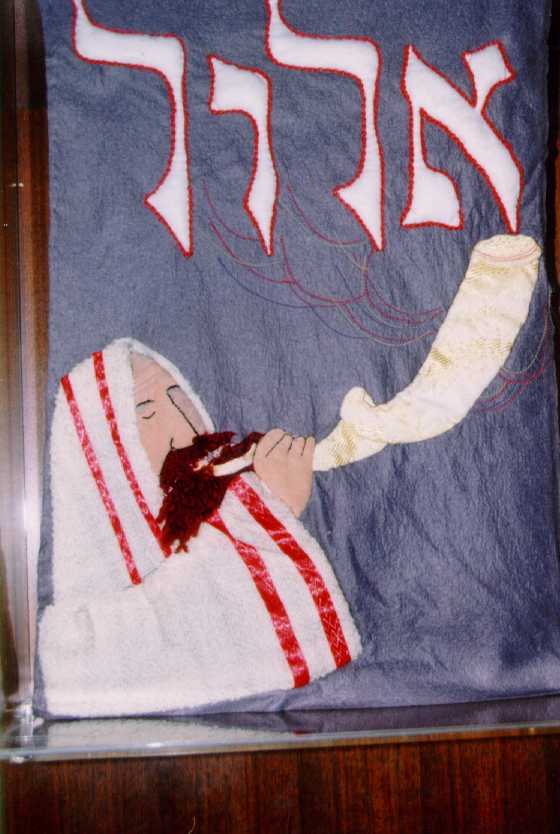
Between the two parashot, that of REE’ which we read last Shabbat and that of SHOFETIM which we will read this Shabbat, normally falls Rosh Chodesh Elul – the beginning of the last month of the Jewish calendar.
The month of Elul, in fact, is a special month, because throughout its duration (with the exception of Shabbat), the Selichot are recited, which are prayers of supplication to the Lord, in which we ask Him to forgive us for the sins committed during the year, but above all to grant us everything we need.
A famous Master of the Italian tradition maintained in one of his writings that:
“Just as every physical illness, in order to be cured, requires a more or less long but adequate treatment, so too moral illnesses need more or less long and adequate treatments.
To cure a moral illness, the people of Israel need to heal themselves through the recitation of the Selichot and therefore through a fairly long period, of about forty days, before being able to present themselves in the divine presence, on Yom Kippur, in order to expiate their sins and finally heal from it”.
In the Selichot, we find many supplications in which G-d is asked for any kind of need, from the most sacred to the most “profane”, but above all suited to the needs that every human being has to live a dignified life from every point of view.
This month, therefore, is bestowed with an even more strengthening attribute, namely:
CHODESH HA SELICHOT VE HA RACHAMIM – THE MONTH OF SUPPLICATIONS AND MERCY.
The Rabbis of the Talmud maintain that, if Rosh Hashanah is called “YOM HA DIN” (Day of Judgement) and Yom Kippur YOM SELICHOT VE HA RACHAMIM (day of supplications and mercy, because during the long and severe prayers of that day, we return to ask the Lord for everything we have already asked Him for during the Selichot),
the month of Elul encompasses within it all the characteristics of these two unique days of the year.
Therefore, our strength lies not only in listening to the shofar on the two days of Rosh Hashanah and fasting on Yom Kippur, but in the strong and intense preparation we have made during the month of Elul.
To resume the Master's discourse mentioned above and provide an example that can be reflected in modernity, one cannot participate in and win a sports competition without adequate training!
The training lies in our actions during the month of Elul.