
Jewish ethics
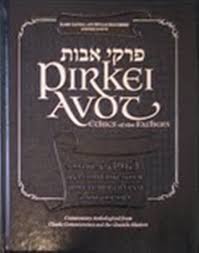
Jewish Wisdom: The Chapters of Pirkei Avot
Rabbi Alberto Sermoneta dedicates twelve short lessons to certain parts of the Ethics of the Fathers, Pirkei Avot (in Hebrew: פרקי אבות), a collection of ethical teachings and maxims…
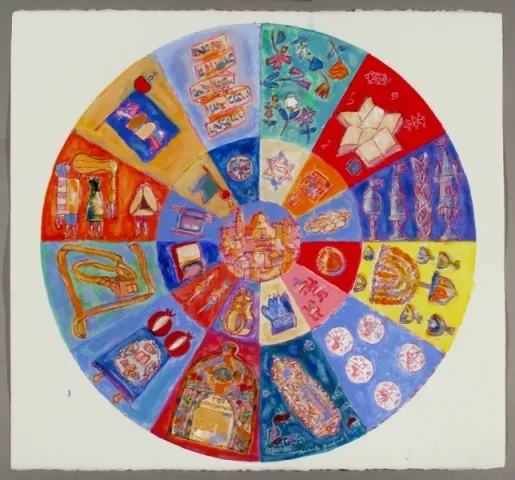
Jewish Ethics: Every Life Is Holy
(…) The value of human life is emphasised by the fact that the Bible describes man as a being created "in the image of God". According to Judaism, this does not mean that man is…
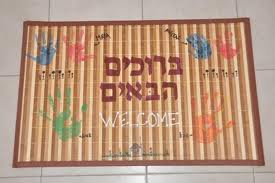
Jewish Ethics: Hospitality (Hachnasat orchim)
In the Jewish tradition, one of the great models of hospitality is the patriarch Abraham. The Bible recounts how, despite being in pain following his circumcision, Abraham sat at the…
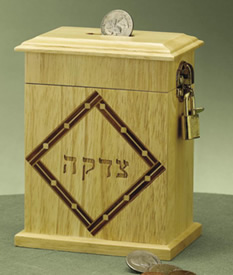
Jewish Ethics: Charity (Tzedakah)
The Hebrew word for charity, tzedakah, comes from tzedek, justice. Hence its different connotation compared to common usage: charity, for a Jew, is not a voluntary offering expressing the…

Jewish Ethics: Respect for Parents and Elders
One of the Ten Commandments commands us to honour our parents. In fact, this is one of the few commandments for which a benefit is specified: “So that your life may be long and that you may…
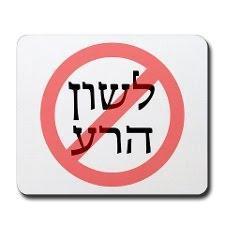
Jewish Ethics: Avoiding Evil Speech (Lashon Hara)
The Bible invites the children of Israel not to spread slander against their neighbour. From this stems the principle of Lashon Hara (evil speech), which prohibits saying negative things…
Read more … Jewish Ethics: Avoiding Evil Speech (Lashon Hara)
- Jewish Ethics: Visiting the Sick (Bikkur Cholim) The story of Abraham welcoming his guests is also taken by the rabbis as an example regarding another important value in life: visiting the sick. The rabbis emphasise…